Rainfall-based drought index is the top predictor of hydrological drought in the Huaihe Basin
An XGBoost model predicted next-month hydrological drought category correctly 79.9 % of the time in the Huaihe River Basin, and the precipitation drought index (SPI) mattered most, though it was weak on severe drought.
Why it matters
A one-month warning can help managers adjust reservoir operations and irrigation plans. Showing which inputs drive each prediction tells decision makers which signals to watch. Those signals differ by season and by part of the basin.
What they did
The authors split the Huaihe River Basin in China into 28 grid regions of 1° by 1°. They trained an XGBoost model on 1960 to 2003 data and predicted 2004 to 2014, one month ahead. Inputs were 26 features for monthly runs and 18 for seasonal runs, including SPI, soil moisture, evapotranspiration, radiation and large-scale climate indices. They used SHAP values to measure how much each feature drove the predictions.
Key findings
- Overall accuracy in classifying drought categories was 79.9 %.
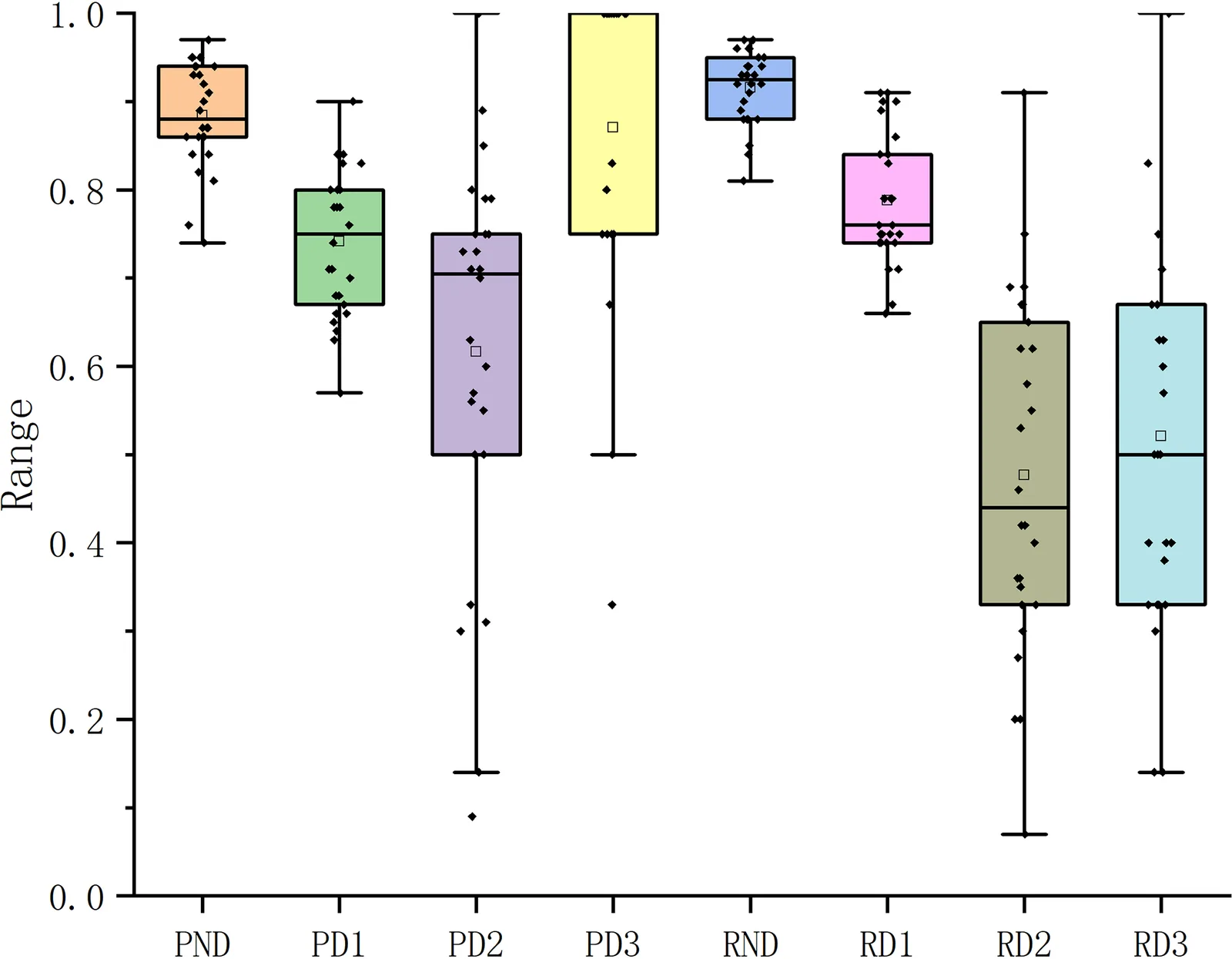
- The no-drought class had a recall of 91 % and a precision of 88 %. Mild drought had a precision of 74 %.
- Moderate and severe drought were predicted less well. The median recall for the severe class did not exceed 0.5.
- SPI was the most influential feature. Its SHAP values were 0.360, 0.261, 0.169, and 0.247 for spring, summer, autumn, and winter.
- Soil moisture and evapotranspiration mattered in spring and autumn. Large-scale climate indices mattered more in summer and winter.
Limitations
- Few severe drought events were available for training, so the model did poorly on moderate and severe categories and often underestimated drought.
- Only one-month lead time and same-period climate indices were tested. Feature selection and uncertainty estimates were left for future work.
Glossary
- SHAP: A method that shows how much each input feature pushes a model’s prediction up or down.
- SPI: Standardized Precipitation Index, a measure of meteorological drought based on rainfall.
- SRI: Standardized Runoff Index, a measure of hydrological drought based on river flow.
- XGBoost: A machine learning method that builds many decision trees in sequence, each correcting the errors of the earlier ones.
Original paper
Hydrological drought prediction and its influencing features analysis based on a machine learning model
Natural Hazards and Earth System Sciences · 4 November 2025
AI-generated summary of the original article; changes were made. Check the original before relying on it.