The 1941 heatwave had wide impacts, but they differed from those of 2021
A 1941 heatwave in Western North America, about 1.7 °C cooler than the 2021 event, caused broad impacts that were not just milder versions of 2021's, because weather, society, and infrastructure differed.
Why it matters
The 1941 event is possibly the only known modern analogue to the 2021 heatwave. It shows impacts that 2021 did not, such as wildfires around Vancouver and water shortages. Planners can use it to prepare for a wider range of future heatwave outcomes.
What they did
The authors read 357 issues of 25 North American newspapers from July 8 to August 2, 1941. They coded the articles by hand into impact categories. They then compared the reports with ERA5 reanalysis, streamflow, sea level, crop yield, and drowning data, and set these against 2021.
Key findings
- Newspapers attributed 344 deaths to the 1941 heatwave, 305 of them in the eastern United States. This is a conservative count.
- Drowning was a major cause of death in 1941. BC’s drowning rate saw its largest year-over-year increase on record that year. In 2021, most heat deaths occurred indoors.
- Lightning started hundreds of wildfires around Vancouver in 1941, but cool, wet weather afterwards helped firefighters. In 2021, warm conditions after the heatwave fed the fires.
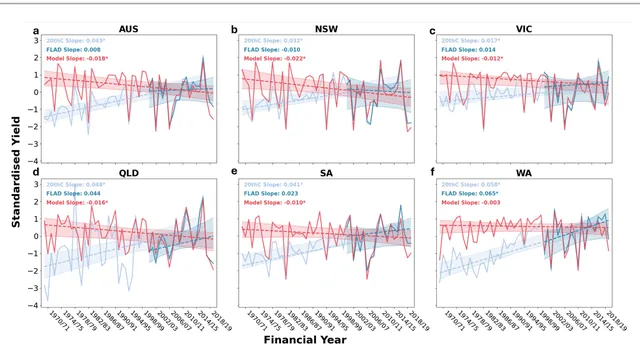
- Vancouver ran short of water in 1941, which led to expanded water storage. Yield declines in Alberta and Saskatchewan were smaller than in 2021.
- Mid-day high tides in 1941 and mid-day low tides in 2021 may explain why the mass die-off of marine invertebrates was reported only in 2021.
Limitations
- Newspapers reflect what was judged worth printing at the time. Impacts on Indigenous people are notably absent, and the death count is not comprehensive.
- The physical mechanisms of the 1941 heating, and why it persisted in the east, are not yet understood.
- The newspaper sample does not cover all publications in the affected area. Burned-area data for 1941 are limited.
Glossary
- ERA5 reanalysis: A global weather dataset that blends past observations with a model to rebuild past conditions, here back to 1940.
- Heatwave: A period of unusually hot weather compared with normal for the place and time of year.
- Streamflow: The amount of water flowing in a river over time.
Original paper
Extreme North American heatwaves in 1941 and 2021 drove widespread but contrasting impacts
Communications Earth & Environment · 19 September 2026
AI-generated summary of the original article; changes were made. Check the original before relying on it.