Atmospheric chemistry · Observations
New weather and climate research on atmospheric chemistry with observations as the main approach, one page per paper.
All summaries
-
 Atmospheric chemistry
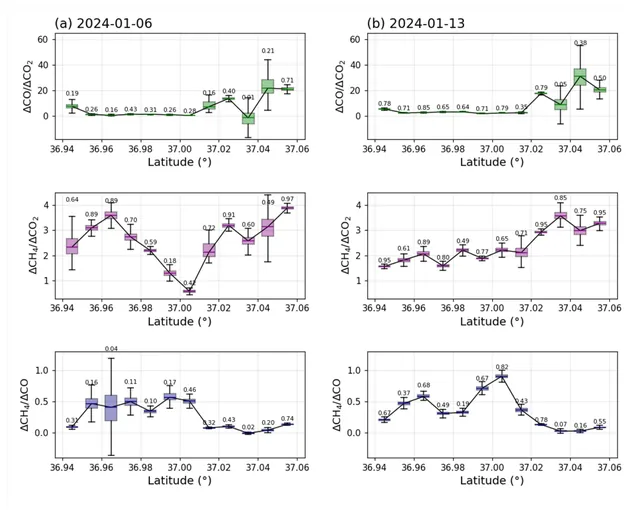
Two hotspots at a Korean petrochemical complex emit about 37.1 % of its reported total
Measurements from the ground, a vehicle, an aircraft and a satellite suggest that two facilities in the Daesan petrochemical complex emit about 37.1 % of the whole complex's inventory total, which points to underreported methane leaks.
-
 Atmospheric chemistry
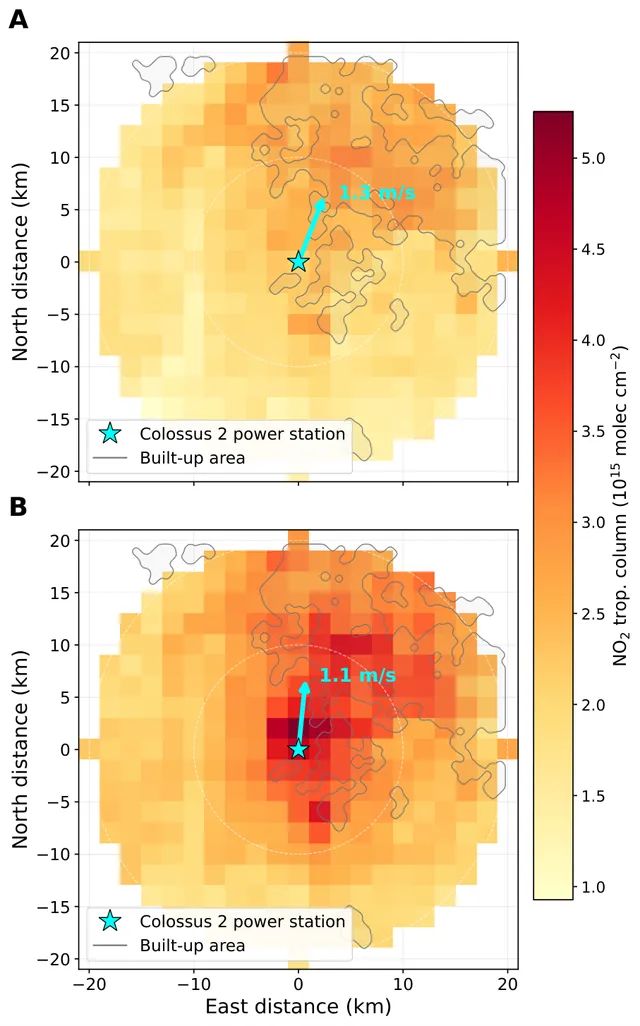
Satellite data show a data center power plant emitting about 16 times its permitted NOx
NASA's TEMPO satellite detected nitrogen oxide emissions from the Colossus 2 gas turbine plant that averaged 730±185 kg h-1 after February 2026, roughly 16 times the permit-based expectation of about 47 kg h-1.
-
 Atmospheric chemistry
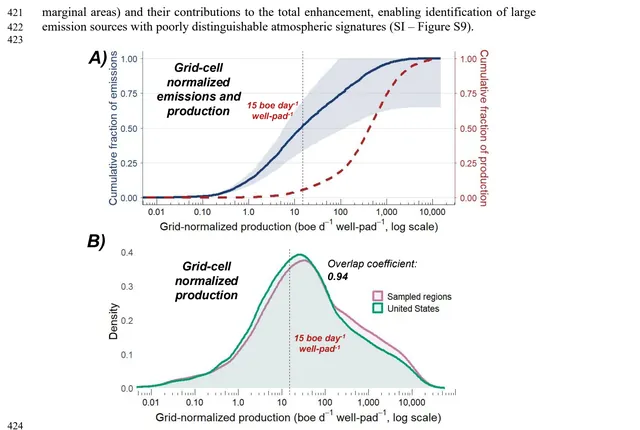
Low-producing US well-pads emit over half of well-pad methane but make 5% of output
In this preprint, satellite data suggest that US oil and gas well-pads producing under 15 boe per day account for 5% of production but over half of well-pad methane emissions.
-
 Atmospheric chemistry
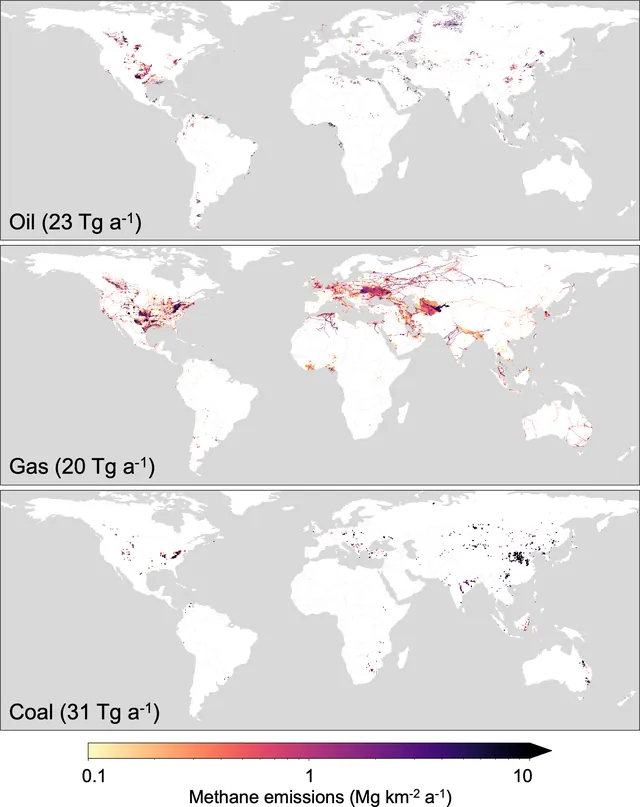
New global methane inventory for oil, gas and coal totals 74 Tg a−1 in 2020
GFEI v3 maps nationally reported 2020 fossil fuel methane emissions onto a 0.1° grid using new infrastructure and coal mine data, and it stays below other inventories and satellite-based estimates.
-
 Atmospheric chemistry
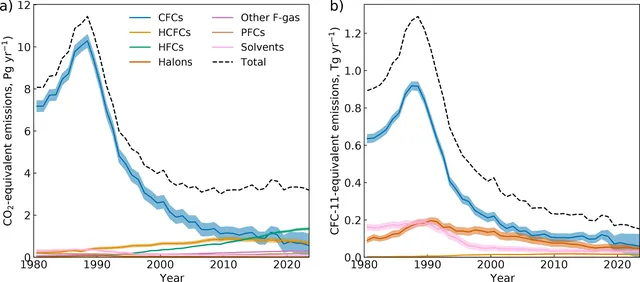
AGAGE data show 2023 emissions and levels of 42 trace gases, with limits
Using AGAGE station measurements and a simple 12-box atmosphere model, the authors publish yearly global emissions and abundances for 42 trace gases through 2023, and explain how they are derived and where they fall short.
-
 Atmospheric chemistry
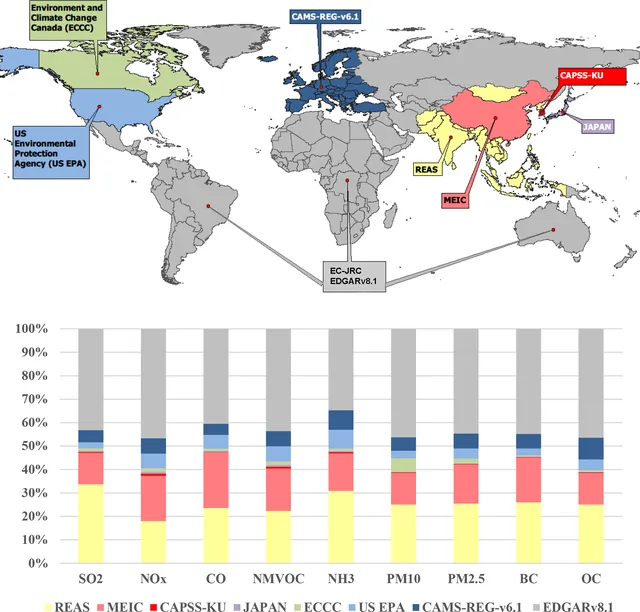
A global air pollutant emission mosaic now covers 2000–2020 at monthly resolution
HTAP_v3.2 blends official regional emission inventories with the EDGAR global inventory into one monthly, gridded dataset for nine air pollutants over 2000–2020.